If you’ve ever stared at a booking confirmation and immediately thought “what if everything goes wrong,” this top insurance guide for anxious first time travelers was basically written from that exact feeling. I’ve been there. Sweaty palms, worst-case scenarios on loop, mentally packing a hospital bag for a beach vacation. Travel insurance felt overwhelming until I actually sat down and figured it out. Here’s what I learned the hard way.
Why Travel Insurance Matters More When You’re an Anxious Traveler
Anxiety has a funny way of making you imagine every possible disaster. Missed flights. Stolen luggage. A mysterious illness in a country where you don’t speak the language. The thing is, some of those fears aren’t irrational at all. Stuff genuinely does go wrong when you travel.
Travel insurance exists to catch you when it does. For anxious travelers specifically, having a policy in place does something powerful: it gives your brain permission to relax a little. You stop carrying the full weight of “what if” because you know someone has your back financially.
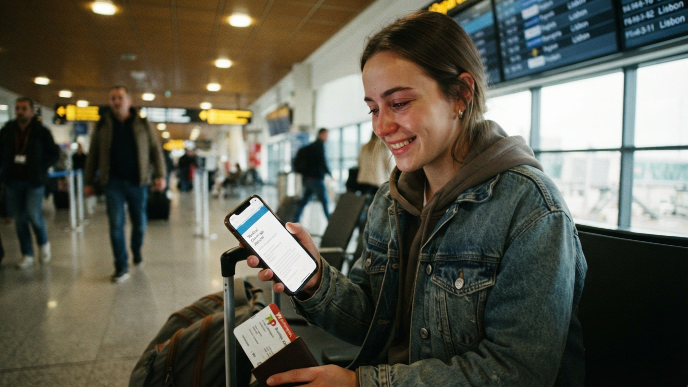
I bought my first policy ten minutes before a flight to Portugal. I was shaking. But knowing I had medical coverage abroad made the whole trip feel lighter. That’s not a small thing.
Understanding the Types of Coverage You Actually Need
Not all travel insurance policies cover the same things, and this is where a lot of first timers get confused or just pick the cheapest option and hope for the best. Don’t do that. Here’s what matters most.
Medical and Emergency Evacuation
This is non-negotiable. If you get sick or injured abroad, your regular health insurance probably won’t cover you. Emergency evacuation alone can cost $50,000 or more depending on where you are. Look for a policy that offers at least $100,000 in medical coverage and includes evacuation. Companies like World Nomads and Allianz Travel both offer solid options here.
Trip Cancellation and Interruption
Life happens. A family emergency, a sudden illness, even jury duty. Trip cancellation coverage reimburses your prepaid, nonrefundable expenses if you have to cancel for a covered reason. Trip interruption kicks in if something cuts your trip short after you’ve already left. Read the fine print carefully because “covered reasons” vary wildly between providers.
Baggage Loss and Delay
Losing your luggage isn’t the end of the world, but it sure feels like it when you’re standing in a foreign airport at midnight. Most policies cover lost, stolen, or damaged baggage up to a set limit. Some also reimburse you for essentials if your bag is delayed beyond a certain number of hours, usually six to twelve.
How to Compare Policies Without Losing Your Mind
Here’s where most anxious first timers spiral. You open five tabs, see a wall of jargon, and close your laptop. I get it. Let me simplify this.
Use a comparison site like Squaremouth or InsureMyTrip. You plug in your trip details, dates, destination, total cost, and it pulls up multiple quotes side by side. You can filter by coverage type, price, and customer ratings. It takes roughly ten minutes.
Focus on three things when comparing: the maximum medical benefit, whether cancel-for-any-reason coverage is available, and the deductible. A $0 deductible policy costs more upfront but saves you from surprise out-of-pocket costs when you file a claim. For a first timer, that peace of mind is worth every extra dollar.
I used Squaremouth for my second trip and found a policy through Berkshire Hathaway Travel Protection that was $30 cheaper than what I almost bought directly. Same coverage. Less money. Comparison tools genuinely work.

The Top Insurance Guide for Anxious First Time Travelers: My Personal Picks
After trying several providers across multiple trips, here are the ones I’d recommend without hesitation.
World Nomads
Great for younger travelers and adventure seekers. Their policies cover a huge range of activities, from hiking to scuba diving. The claims process is straightforward, and you can buy or extend coverage even after you’ve left home. Pricing sits in the mid-range, and their customer support is responsive.
Allianz Travel Insurance
Allianz is one of the biggest names in the industry for a reason. Their OneTrip Prime plan covers most of what an anxious traveler worries about, including 24/7 hotline assistance. I called their emergency line once from Barcelona over a minor health scare, and someone picked up in under two minutes. That alone sold me.
Faye Travel Insurance
Faye is a newer player, but they’ve quickly become a favorite. Their app is incredibly user-friendly, which matters when you’re stressed and need to file a claim from your phone. They also offer real-time assistance through the app, so you’re never stuck Googling “what do I do now” at 2 AM.
Cancel For Any Reason (CFAR) Add-On
This isn’t a provider, but it deserves a mention. CFAR is an upgrade you can add to many policies, and for anxious travelers, it’s gold. Standard trip cancellation only covers specific reasons. CFAR lets you cancel for literally any reason and get back 50% to 75% of your trip cost. You typically need to buy it within 14 to 21 days of your initial trip deposit. If your anxiety sometimes convinces you to bail on plans, CFAR is your safety net.

Common Mistakes First Time Buyers Make
I made most of these myself, so you don’t have to.
Waiting too long to buy is the biggest one. Many benefits, including CFAR and pre-existing condition waivers, are only available if you purchase within a specific window after your first trip payment. Buying early gives you the most options.
Skipping the policy documents is another classic mistake. I know reading insurance fine print ranks somewhere between doing taxes and watching paint dry, but you need to know what’s excluded. Some policies exclude mental health crises, pandemic-related cancellations, or destinations under travel advisories. If anxiety-related situations matter to you, check whether your policy addresses them.
Assuming your credit card covers everything is risky too. Some premium credit cards offer travel insurance perks, but the coverage is usually thin. Limited medical benefits, low baggage reimbursement caps, and no evacuation coverage are common gaps. Treat credit card perks as a bonus, not your primary plan.
What to Do If You Need to File a Claim
Filing a claim used to terrify me more than the trip itself. But honestly, it’s not that bad if you’re prepared.
Keep every receipt. Every single one. Taxi to the hospital, medication, replacement clothes after a baggage delay, all of it. Take photos of damaged items. Get written documentation from airlines, doctors, or police if something is stolen.
Most providers let you file claims online now. Faye does it entirely through their app. Allianz has an online portal. World Nomads walks you through it step by step on their website.
The key thing: file promptly. Most policies require you to submit within 90 days of the incident. Don’t procrastinate on this. Set a reminder on your phone the day something happens so future-you doesn’t forget.
How Much Does Travel Insurance Actually Cost?
This is the question everyone asks first. The answer depends on your age, destination, trip length, and total trip cost. But as a general benchmark, expect to pay between 4% and 10% of your total trip cost.
A $2,000 trip might cost you $80 to $200 to insure. A $5,000 trip could run $200 to $500. Adding CFAR bumps the price up, usually by 40% to 60% of the base policy cost.
IMO, if you’re spending thousands on flights and hotels, spending an extra hundred or two on insurance is a no-brainer. Think of it as buying yourself the ability to actually enjoy the trip instead of white-knuckling through every moment.
Tips for Managing Travel Anxiety Beyond Insurance
Insurance handles the financial side of your worries. But anxiety doesn’t always respond to logic, so here are a few things that helped me on top of having a good policy.
Save your policy details, emergency numbers, and insurance card in your phone and email. Knowing you can access everything instantly reduces that “what if I can’t find it when I need it” panic.
Share your itinerary and insurance info with someone back home. A trusted friend or family member who knows your plan can step in and help if you’re too overwhelmed to think clearly during an emergency.
Download offline maps and translation apps before you go. Google Translate’s offline mode has saved me more than once. Feeling like you can communicate and find your way around does wonders for anxiety.
Start with a shorter trip to a destination that feels manageable. You don’t need to fly 14 hours to a country with a different alphabet for your first international trip. A long weekend somewhere with familiar infrastructure builds confidence fast.

Frequently Asked Questions
Is travel insurance worth it for a short weekend trip?
It depends on the cost of your trip and your comfort level. If you’ve prepaid for flights and a hotel, even a short trip can mean hundreds of dollars at risk. For anxious travelers, having coverage removes one more thing to worry about, and policies for short trips are usually very affordable.
Can I buy travel insurance after I’ve already left home?
Some providers like World Nomads let you buy coverage after your trip has started. However, you’ll miss out on certain benefits like CFAR and pre-existing condition waivers that require early purchase. Buying before departure always gives you the best options and fullest coverage.
Does travel insurance cover anxiety or panic attacks?
Most standard policies don’t cover mental health-related cancellations or treatment, though some are starting to expand this. Check the policy wording carefully. If mental health coverage is important to you, ask the provider directly before purchasing so you know exactly what’s included.
What’s the best insurance option for anxious first time travelers?
There’s no single best option because it depends on your trip, budget, and specific worries. Allianz and Faye both offer strong medical coverage and responsive support, which anxious travelers tend to appreciate most. Use a comparison tool like Squaremouth to find the right fit for your specific situation.
What does “cancel for any reason” actually mean?
CFAR lets you cancel your trip for any reason not just the specific ones listed in a standard policy. You typically get 50% to 75% of your prepaid costs back. You need to cancel at least 48 hours before departure. It costs more, but for people who worry about backing out, it’s incredibly reassuring.
Conclusion
Traveling for the first time with anxiety is genuinely hard, but having the right insurance policy turns a lot of those scary “what ifs” into manageable situations with real solutions. You don’t need to be fearless to see the world. You just need a good plan and a safety net that actually works. So where are you thinking about going first?