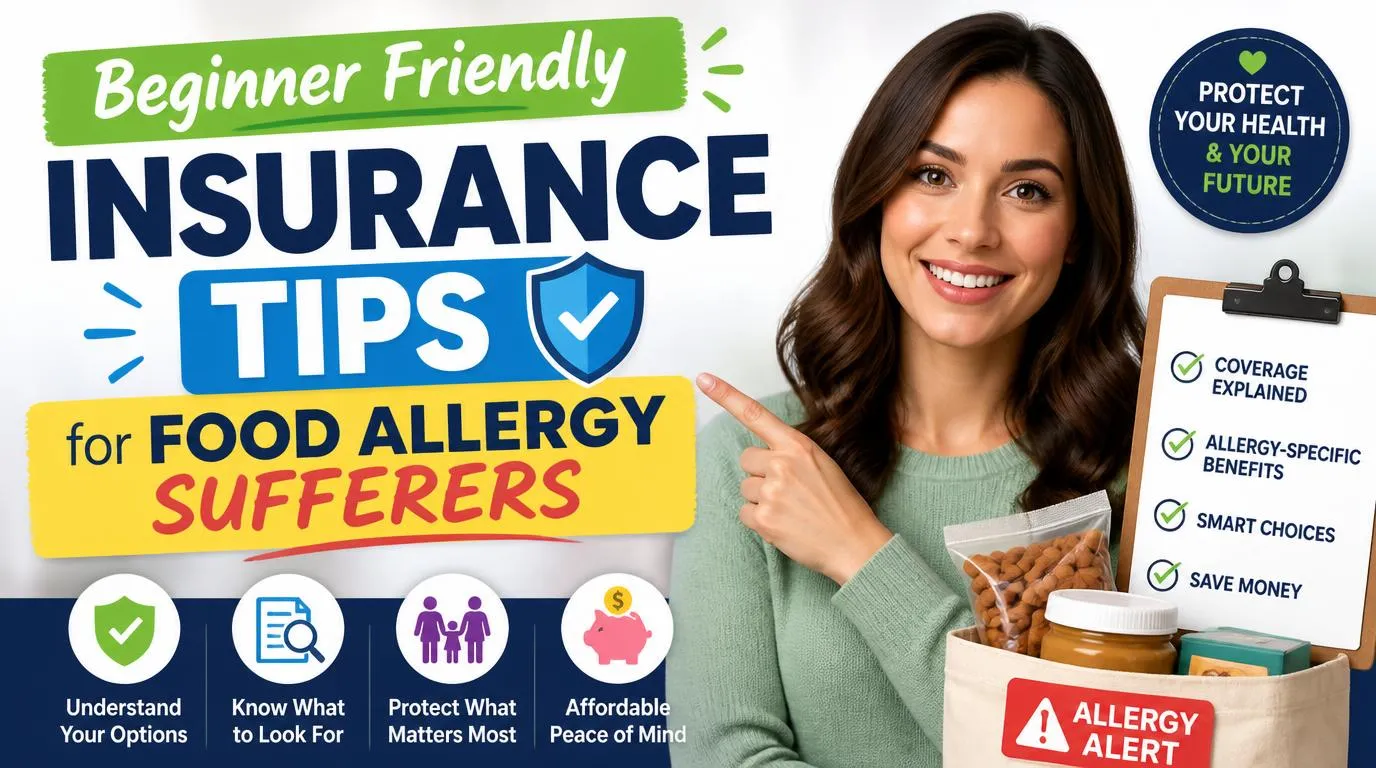
Finding beginner friendly insurance tips for food allergy sufferers feels nearly impossible when you’re first diagnosed and drowning in medical bills. I remember sitting in my allergist’s office after my first anaphylactic reaction to cashews, holding an EpiPen prescription that cost more than my car payment, and thinking, “How does anyone afford this?” Nobody handed me a cheat sheet. I had to figure it out the hard way, and I’m going to save you that pain right now.
1. Know Exactly What Your Policy Covers Before You Need It
Most people sign up for health insurance during open enrollment, pick the cheapest premium, and never read the fine print. That’s a mistake when you have food allergies. Your plan’s formulary, which is the list of covered medications, determines whether your EpiPen or Auvi-Q costs $25 or $650.
Call your insurance company directly and ask three specific questions: Is epinephrine auto-injector covered? Do I need prior authorization for allergy testing? Are allergist visits classified as specialist co-pays? I once switched plans mid-year through a qualifying life event and saved over $1,200 annually just by choosing a plan that covered my specific brand of auto-injector at a lower tier. Ten minutes on the phone can save you real money.

2. Beginner Friendly Insurance Tips for Food Allergy Sufferers Start with Choosing the Right Plan Type
HMO, PPO, EPO, HDHP. These acronyms feel like alphabet soup, but picking the wrong one with food allergies can cost you thousands. If you see an allergist regularly, get blood panels, or carry emergency medication, a PPO usually gives you the most flexibility because you don’t need referrals for specialists.
But here’s the thing most guides won’t tell you. If you’re relatively stable and mainly need prescription coverage, a High Deductible Health Plan (HDHP) paired with a Health Savings Account (HSA) can actually work in your favor. You contribute pre-tax dollars to your HSA, use them for EpiPens and allergy appointments, and the money rolls over year to year. I switched to an HDHP with an HSA through my employer in 2022 and used the tax savings to stockpile two extra sets of auto-injectors. The key is running the numbers for your specific situation, not just defaulting to the plan with the lowest premium.
3. Always Ask About Prescription Assistance Programs
EpiPen’s manufacturer, Viatris (formerly Mylan), offers a savings card that can drop your co-pay to as low as $0 for commercially insured patients. Kaléo, the company behind Auvi-Q, has a direct delivery program where eligible patients pay $0 out of pocket regardless of insurance status. These programs exist, but nobody advertises them in your doctor’s office.
I found out about the Auvi-Q program through a Facebook food allergy parent group, not my pharmacist, not my doctor. That’s frustrating, but it’s reality. Bookmark the manufacturer websites, check eligibility every year since income thresholds change, and always ask your allergist’s office if they have sample auto-injectors. I’ve gotten free samples twice just by asking.
4. Get Allergy Testing Covered Strategically
Skin prick tests and blood panels (IgE testing) can run $200 to $1,000 without insurance, and even with coverage, your plan might classify them differently. Some insurers cover skin prick tests as part of a regular office visit co-pay but bill blood work separately through a lab, which means a second deductible hit.
Before scheduling any testing, call your insurer and ask whether component testing or standard IgE panels require pre-authorization. My first round of blood work got denied because my primary care doctor ordered it instead of my allergist, and the insurer said it wasn’t “medically necessary” from a general practitioner. I had to appeal, resubmit through my allergist’s office, and wait six weeks for reimbursement. Save yourself that headache. Always have your allergist order allergy-specific labs, and make sure the lab they send you to is in-network.
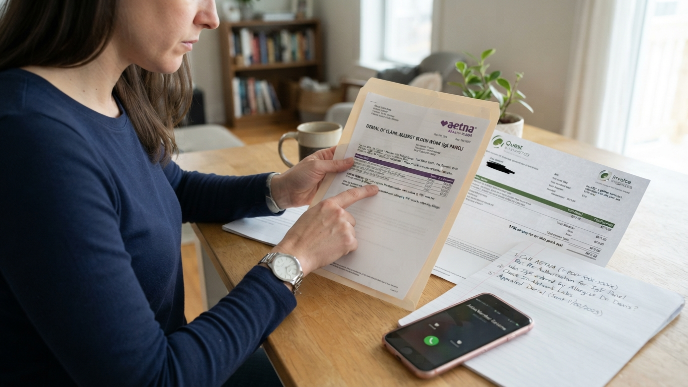
5. Document Everything for Insurance Appeals
Insurance companies deny claims. It happens constantly, especially for anything allergy-related that they consider “not medically necessary.” The single most powerful thing you can do is keep a paper trail.
After my cashew reaction, I started a simple Google Doc where I logged every allergic reaction, every ER visit, every prescription refill with dates and costs. When my insurer denied coverage for a second set of EpiPens (I needed one for home and one for my work bag), I submitted an appeal letter from my allergist along with my reaction log showing two ER visits in six months. They reversed the denial within three weeks. Your allergist can write a letter of medical necessity, and when paired with your documented history, it’s incredibly persuasive. Don’t assume a denial is final. About 50% of appealed claims get overturned, according to data from the Kaiser Family Foundation.
6. Understand How Emergency Room Visits Get Billed
Anaphylaxis sends you to the ER. That’s non-negotiable. But the billing afterward can feel like a second emergency. Most insurance plans cover ER visits at a higher rate when they’re genuine emergencies, and anaphylaxis qualifies. The problem comes from out-of-network providers working inside in-network hospitals.
Thanks to the No Surprises Act, which took effect in January 2022, you’re now protected from most surprise bills from out-of-network emergency providers at in-network facilities. But you still need to review your Explanation of Benefits (EOB) after every ER visit. I caught a $900 billing error after my second ER trip because the hospital coded my visit as a general allergic reaction instead of anaphylaxis, which changed how my insurer processed the claim. One phone call to the hospital’s billing department got it corrected. Always check the diagnosis codes on your EOB.
7. Consider Supplemental Coverage for Gaps
Standard health insurance doesn’t cover everything. If you travel frequently, a travel medical insurance policy with allergy and anaphylaxis coverage is worth every penny. I use a policy from World Nomads when I travel internationally because it explicitly covers emergency treatment for pre-existing allergic conditions, something many travel policies exclude.
Also look into critical illness or accident supplemental plans through your employer. Some of these pay a lump sum if you’re hospitalized, which can offset the co-pays and deductibles from an anaphylaxis-related ER visit. Aflac and Colonial Life both offer workplace supplemental plans that have paid out for people I know personally after severe allergic reactions. The monthly premiums are usually under $30, and the payout can cover what your primary insurance doesn’t.

8. Use Your Insurance’s Preventive Care Benefits
Here’s something that surprised me. Many insurance plans classify annual allergist visits as preventive care if you frame them correctly. Under the Affordable Care Act, preventive services must be covered at no cost-sharing when you use in-network providers. While food allergy management doesn’t always fall neatly into “preventive,” ongoing monitoring, updated action plans, and re-testing for outgrown allergies often qualify.
Ask your allergist’s billing department to code your visits appropriately. The difference between a “preventive” code and a “diagnostic” code can mean the difference between a $0 visit and a $75 specialist co-pay. I didn’t figure this out until my third year of seeing my allergist, and I’m still annoyed about the money I left on the table.
9. Join a Food Allergy Advocacy Organization
This isn’t technically an insurance tip, but it leads directly to insurance savings. Organizations like FARE (Food Allergy Research & Education) publish updated guides on insurance navigation, maintain lists of assistance programs, and sometimes offer direct support for families struggling with costs.
I joined FARE’s online community in 2021 and learned about state-level legislation requiring insurers to cover epinephrine for minors at reduced co-pays. My state, Illinois, had passed a law I didn’t even know about. Staying connected to these groups keeps you informed about policy changes that directly affect your wallet. Knowledge really is the best insurance you can have alongside your actual insurance.
10. Review and Update Your Coverage Every Single Year
Your food allergies, medications, and healthcare needs change. Your insurance should change with them. Every October through December during open enrollment, sit down for 30 minutes and compare your current plan against alternatives.
Check whether your auto-injector is still on the formulary. Verify your allergist is still in-network. Calculate whether your total out-of-pocket costs (premiums plus deductibles plus co-pays plus prescriptions) would be lower on a different plan. I do this every November with a spreadsheet, and I’ve switched plans three times in five years. Each switch saved me between $400 and $1,200 annually. It’s not glamorous work, but it matters.

Frequently Asked Questions
Does health insurance cover EpiPens for food allergies?
Most health insurance plans cover epinephrine auto-injectors, but coverage varies widely by plan and formulary tier. Some plans cover generic epinephrine at a lower co-pay than brand-name EpiPen. Always check your plan’s formulary before filling a prescription, and ask your pharmacist to run both brand and generic options through your insurance to compare prices.
What type of insurance is best for someone with food allergies?
PPO plans generally work best because they let you see allergists without referrals and offer broader network access. However, an HDHP with an HSA can save money if you’re stable and primarily need prescription coverage. Run the numbers using your actual annual spending on allergy-related care before choosing.
Are there beginner friendly insurance tips for food allergy sufferers who just got diagnosed?
Start by calling your insurer to confirm your allergist and preferred auto-injector are covered. Document every reaction and medical visit from day one. Check manufacturer websites for co-pay assistance programs immediately. These three steps alone can save you hundreds of dollars in your first year and prevent billing surprises down the road.
Can insurance deny coverage for allergy testing?
Yes, and it happens more often than you’d expect. Insurers sometimes deny allergy testing as “not medically necessary,” especially if ordered by a general practitioner instead of an allergist. Always have your allergist order and justify the testing, and be prepared to file an appeal with supporting documentation if you receive a denial.
Does the No Surprises Act help food allergy patients?
Absolutely. If you experience anaphylaxis and end up in an ER, the No Surprises Act protects you from surprise bills by out-of-network providers at in-network facilities. You’ll still owe your normal in-network cost-sharing amounts, but you won’t get hit with a massive unexpected bill from an ER doctor who happened to be out of network.
Should I get travel insurance if I have food allergies?
If you travel regularly, yes. Standard travel insurance often excludes pre-existing conditions, which can include known food allergies. Look for policies that explicitly cover emergency treatment for anaphylaxis. World Nomads and Allianz both offer options that cover pre-existing allergic conditions, but read the policy details carefully before purchasing.
Conclusion
Managing food allergies is stressful enough without insurance making it worse. The good news is that a little research upfront, some strategic plan selection, and knowing your rights can save you real money and a lot of frustration. What’s the biggest insurance headache you’ve run into with your food allergies?