Low cost insurance options for single parents kept me up at night when I first found myself raising two kids alone. The bills were already brutal, and the thought of adding another monthly payment felt impossible. But skipping coverage wasn’t an option either, not with little people depending on me. I spent months researching, calling agents, and making mistakes so you don’t have to. Here’s what I actually learned.
1. Medicaid and CHIP for Your Kids
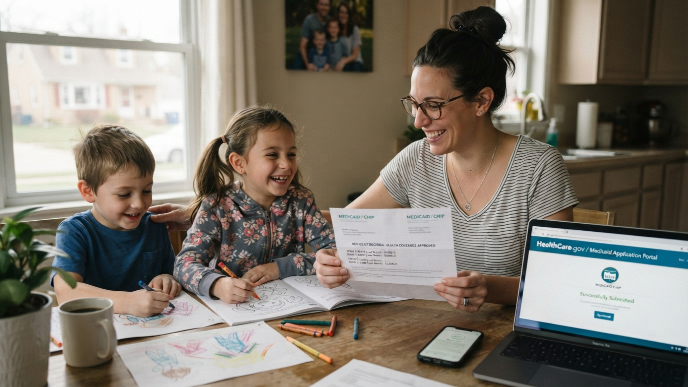
If your household income falls within your state’s guidelines, Medicaid and the Children’s Health Insurance Program (CHIP) can cover your children for free or next to nothing. I assumed I made “too much” and almost didn’t apply. Turns out, income thresholds are higher than most people think, especially for families with kids.
Every state runs its program a little differently, so check your state’s Medicaid website or call 211 for local help. The application took me about 20 minutes online. My kids got full medical, dental, and vision coverage for $0 per month. That alone lifted a massive weight off my shoulders.
2. Marketplace Health Insurance With Subsidies
The Health Insurance Marketplace (healthcare.gov) is where I found my own coverage. As a single parent, you often qualify for premium tax credits that dramatically cut your monthly cost. During my first enrollment, my premium dropped from over $400 to $87 a month. That’s real money back in the grocery budget.
Open enrollment typically runs November through January, but qualifying life events like a divorce, job loss, or having a baby let you enroll anytime. Don’t just pick the cheapest plan without reading the details. I made that mistake and ended up with a $9,000 deductible that made the insurance almost useless for everyday care. A Silver plan with cost-sharing reductions usually hits the sweet spot between premium and actual usability.
3. Term Life Insurance on a Tight Budget
This one gets overlooked constantly, and it shouldn’t. If something happens to you, who covers rent? Who feeds your kids? Term life insurance is shockingly affordable for healthy adults under 45. I pay $22 a month for a 20-year, $500,000 policy through Bestow. Haven Technologies and Ladder are also solid options that let you apply entirely online.
Skip whole life insurance for now. Agents love to push it because they earn bigger commissions. But term life gives you way more coverage per dollar, and that’s exactly what a single-parent household needs. Get enough coverage to replace your income for 10 to 15 years. Your future self will thank you.
4. Low Cost Insurance Options for Single Parents Through Employers
Even part-time jobs sometimes offer group insurance benefits. Starbucks, Costco, UPS, and several retail chains extend health coverage to employees working 20 or more hours per week. Group rates are almost always cheaper than individual plans because the employer absorbs part of the cost.
I picked up a part-time gig at a local hospital specifically because the benefits package was outstanding. The hourly pay was average, but the insurance alone saved me over $3,000 a year. If you’re job hunting, factor benefits into the total compensation, not just the paycheck number. A lower-paying job with great insurance can actually leave you with more money at the end of the month.

5. Dental Discount Plans Instead of Traditional Dental Insurance
Traditional dental insurance frustrated me. High premiums, waiting periods for major work, and annual maximums that barely covered a single crown. Dental discount plans like DentalPlans.com or Careington work differently. You pay an annual membership fee (usually $80 to $150) and get 15% to 60% off procedures at participating dentists.
I switched to a discount plan two years ago and saved over $600 on my son’s orthodontic evaluation alone. These plans aren’t insurance, so there are no claims to file and no waiting periods. You just show your card and pay the reduced rate. For single parents who need predictable savings without the hassle, this is a genuinely smart move.
6. Renters or Homeowners Insurance Bundles
If you’re renting, renters insurance costs between $10 and $20 per month and covers your belongings, liability, and temporary housing if something catastrophic happens. Lemonade and Toggle offer incredibly simple policies you can set up on your phone in under five minutes.
Bundling renters or homeowners insurance with your auto insurance almost always triggers a multi-policy discount. I bundle through Progressive and save about 12% on both policies. Call your current auto insurer and ask about bundling before shopping elsewhere. Most companies match or beat competitor quotes just to keep your business. A five-minute phone call saved me $340 last year.

7. Auto Insurance Shopping Tricks That Actually Work
Car insurance eats a huge chunk of a single parent’s budget. The biggest mistake I see people make is sticking with the same company year after year without comparing rates. I switched from GEICO to State Farm and saved $74 a month for identical coverage.
Use comparison tools like The Zebra, Policygenius, or Jerry to pull quotes from multiple carriers at once. Ask about discounts for good driving records, low mileage, automatic payments, and safety features. If you drive under 10,000 miles per year, companies like Metromile offer pay-per-mile insurance that can cut your bill in half. Also, raise your deductible to $1,000 if you have even a small emergency fund. That single change dropped my premium significantly.
8. State Programs and Nonprofits You Might Not Know About
Several states run programs specifically designed to help low-income families access affordable insurance. Some offer subsidized life insurance, while others provide grants for healthcare costs. Your local Department of Social Services or a community action agency can point you toward options you won’t find on Google’s first page.
Nonprofits like the National Association of Free & Charitable Clinics connect families with free or sliding-scale healthcare. Modest Needs offers Self-Sufficiency Grants that can cover insurance premiums during a rough patch. I used a community health center for two years when I couldn’t afford a regular doctor, and the care was excellent. Don’t let pride stop you from using these resources. They exist for exactly this situation.
9. Umbrella Policies for Extra Protection on the Cheap
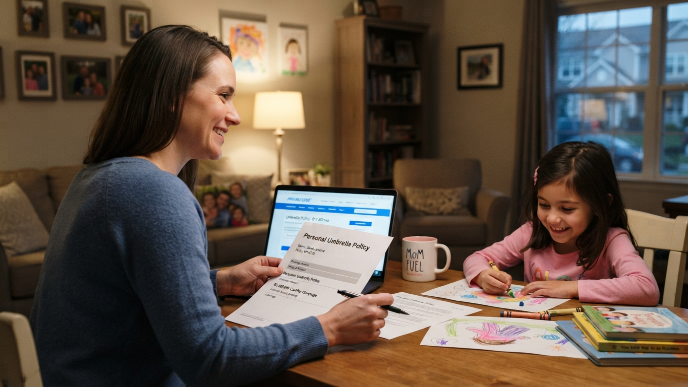
Most people think umbrella insurance is only for wealthy families. It’s not. An umbrella policy adds an extra $1 million in liability coverage on top of your auto and renters/homeowners policies, and it typically costs $150 to $300 per year. That’s roughly $15 to $25 a month.
Why does this matter for a single parent? Because one bad car accident or one lawsuit from someone injured at your home could wipe out everything you’ve built. I added an umbrella policy through my existing insurer for $17 a month. For the peace of mind it provides, that’s one of the best insurance dollars I spend.
10. Health Sharing Ministries as an Alternative
Health sharing ministries like Medi-Share, Christian Healthcare Ministries, and Samaritan Ministries aren’t traditional insurance. Members contribute to a shared pool that covers each other’s medical bills. Monthly costs often run 30% to 50% less than marketplace plans.
I tried Medi-Share for about a year. The monthly “share” was $230 compared to $400+ for a comparable marketplace plan. The catch? Pre-existing conditions often aren’t covered immediately, and these programs can have lifestyle requirements (no tobacco, limited alcohol). They also aren’t regulated like insurance, so protections differ. If you’re generally healthy and comfortable with the terms, it’s a legitimate way to keep costs down. Just read the fine print carefully.
Frequently Asked Questions
What’s the cheapest health insurance a single parent can get?
Medicaid is the most affordable option if you qualify based on income. Many single parents pay $0 in premiums. If you earn too much for Medicaid, a Marketplace Silver plan with cost-sharing reductions is typically the next best bet. Premium tax credits can bring monthly costs under $100 depending on your income and state.
Does life insurance really matter if I don’t have much money?
It matters even more when money is tight. If your kids depend on your income, term life insurance ensures they’re financially protected. Policies through companies like Bestow or Ladder start around $15 to $25 per month for healthy adults. That small cost covers a massive risk that no single parent should ignore.
Are there low cost insurance options for single parents who are self-employed?
Absolutely. The Healthcare Marketplace offers subsidized plans regardless of employment status. Self-employed parents can also deduct health insurance premiums on their taxes, which reduces the effective cost further. Freelancer organizations like the Freelancers Union sometimes offer group rates too.
Can I get car insurance cheaper if I only drive to work and back?
Yes. Low-mileage discounts are real and substantial. Companies like Metromile charge per mile driven, which can save hundreds annually if you drive under 10,000 miles. Even traditional insurers like GEICO, Progressive, and State Farm offer discounts when you report low annual mileage. Ask specifically about it.
How do I know if I qualify for Medicaid?
Income limits vary by state, but many states cover adults earning up to 138% of the federal poverty level. For a family of three in 2024, that’s roughly $25,000 to $30,000 annually. Apply through your state’s Medicaid website or healthcare.gov. The application is free, and you’ll get a determination within a few weeks.
Conclusion
Being a single parent already takes everything you’ve got, so finding affordable insurance shouldn’t feel like a second full-time job. The options are out there, and most of them just require a little research and a few phone calls. Which of these have you tried, or is there something that’s worked for your family that I missed?